
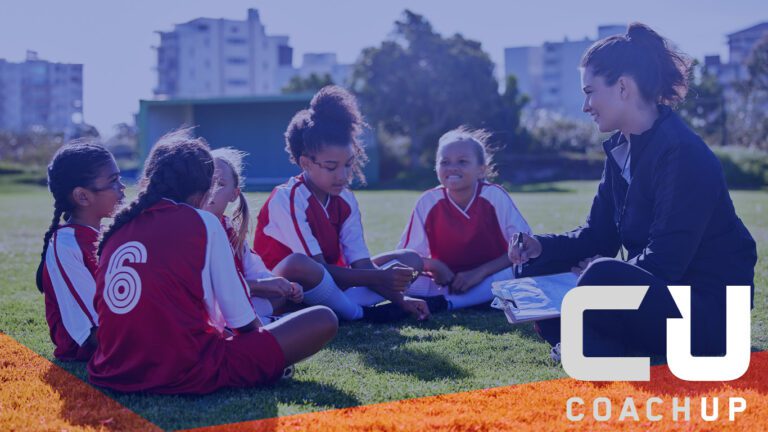
At one point, your child couldn’t wait for practice. They ran to the car with their gear bag, eager to get on the field. But somewhere along the way, that excitement faded. Suddenly practice feels like a chore, effort starts to dip, and motivation becomes inconsistent.
It’s a common experience in youth sports. And for many parents, it raises an important question:
How do you help young athletes stay motivated?
The answer isn’t louder encouragement or adding pressure. In fact, consistent motivation in youth athletes usually develops through something much deeper; the way they experience improvement, challenges within the game, and support along the way.
When those pieces come together, motivation tends to take care of itself.
Why Motivation Naturally Fluctuates

One of the most important things parents can understand is that motivation isn’t constant, especially for young athletes.
Children move through cycles of enthusiasm, frustration, growth, and fatigue as they develop their skills. A young soccer player might feel unstoppable one month and discouraged the next. A baseball player who once loved practice might struggle when competition becomes more demanding.
This is completely normal.
Motivation often dips when athletes feel stuck in their development. If progress slows or challenges increase, effort can drop simply because the athlete no longer feels capable of improving.
Research in youth sports psychology shows that motivation is strongly influenced by the environment surrounding the athlete — particularly the support and expectations provided by coaches and parents.
In other words, motivation is rarely just about an individual’s personality. It’s more so formed through their unique experience.
The Difference Between External and Internal Motivation
Many attempts to motivate young athletes rely on external rewards.
Parents promise treats after games. Coaches emphasize wins or playing time. Athletes are told they should work harder if they want recognition.
While these approaches can produce short bursts of effort, they rarely create lasting motivation.
Long-term drive usually comes from something psychologists call intrinsic motivation, or the internal desire to improve, compete, and challenge oneself.
Young athletes who develop intrinsic motivation tend to:
- Enjoy the process
- Take ownership of improvement
- Push through setbacks more easily
- Stay committed longer
Instead of asking, “What reward will I get?” they begin asking, “How much better can I become?” That shift makes a powerful difference, not only in athletic development but personal growth off the field as well.
How Great Coaches Build Motivation
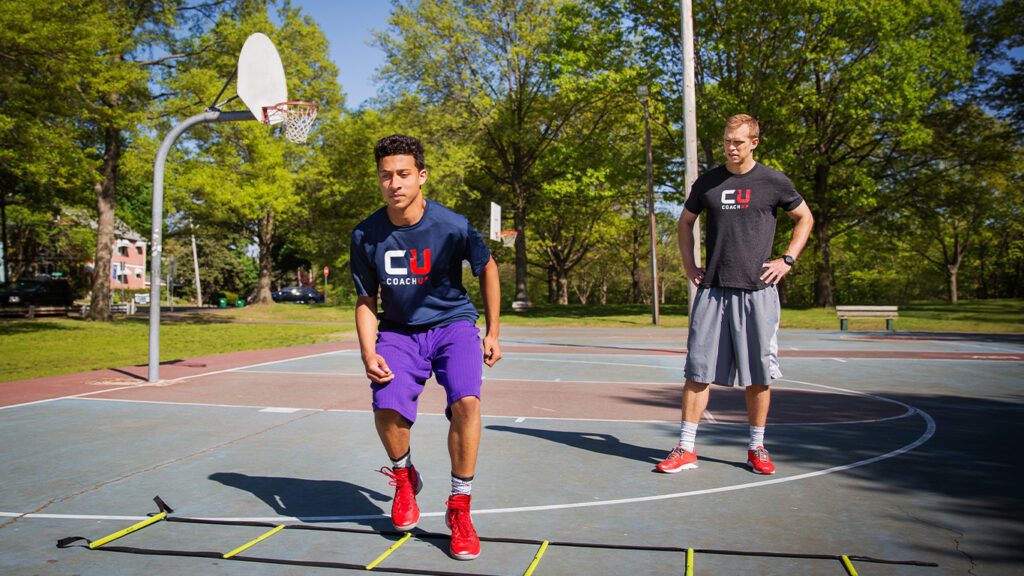
Coaches play an enormous role in shaping how athletes approach effort and improvement.
The best youth coaches understand that motivation grows when athletes feel both challenged and supported. Practices are structured so players can see their progress. Mistakes are corrected constructively rather than punished. Improvement is always recognized, even when results aren’t immediate. This balance is essential.
If practices are too easy, athletes lose interest. If they are constantly overwhelming, athletes become discouraged. The most effective coaching environments find a middle ground where young athletes feel tested but capable.
This is also where individualized coaching can make a difference. When athletes receive personal instruction focused on their specific goals and development, improvement becomes easier to see. That visible progress often reignites motivation because athletes begin to recognize that their effort leads to results.
The Parent’s Role in Sustaining Motivation
Parents influence motivation more than they sometimes realize.
Often, the most powerful moments happen after the game. The tone of conversation during the drive home or around the dinner table sends a clear message about what really matters.
If the discussion centers only on performance, athletes may start tying their enjoyment of the sport to outcomes they can’t fully control. But when conversations focus on effort, learning, and growth, athletes begin to value improvement itself.
Even small adjustments in how parents talk about sports can make a difference. Asking what an athlete learned from a game instead of what the final score was shifts attention toward development. Recognizing persistence during a difficult practice reinforces resilience.
These subtle signals shape how young athletes interpret their experience.
The Power of Small Progress
One of the most underrated drivers of motivation is visible improvement.
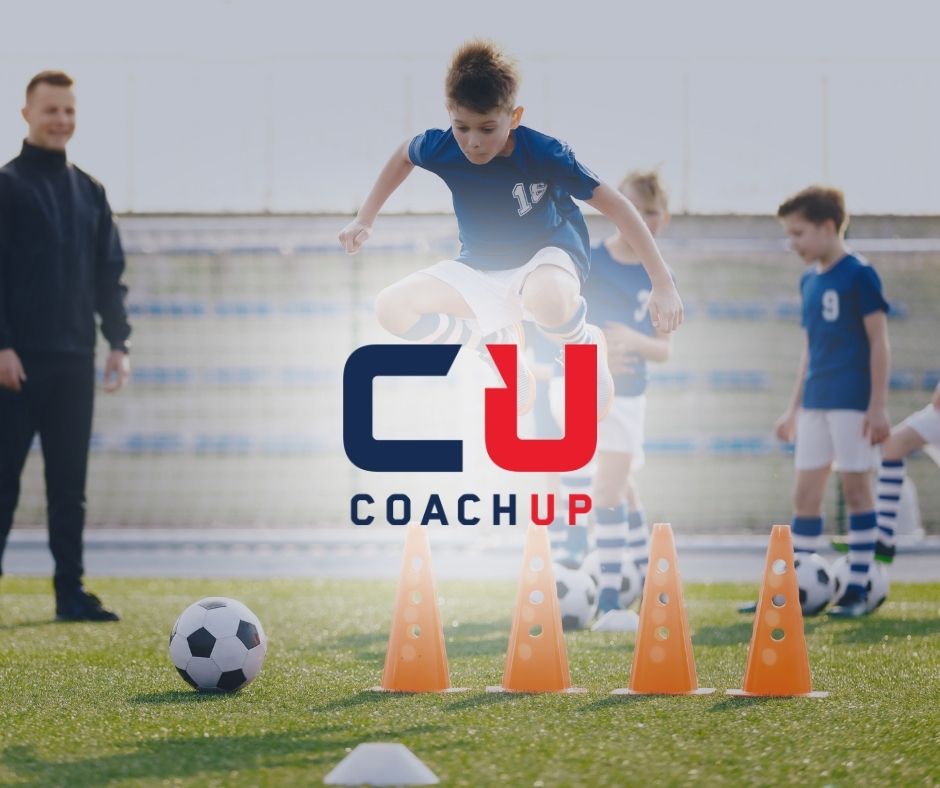
Young athletes become more engaged when they can see themselves getting better. A faster sprint time, a more consistent jump shot, or improved footwork can create a sense of momentum.
That progress doesn’t always happen automatically in team environments where attention must be divided among many athletes. When young players receive individualized feedback and targeted instruction, their development often accelerates. As skills improve, confidence grows, and motivation tends to follow.
This is one reason many families choose to supplement team training with additional coaching. Focused instruction can help athletes break through development plateaus and rediscover the excitement that comes with improvement.
Motivation Follows Development
It grows when athletes feel capable. It grows when effort leads to visible progress. It grows when coaches and parents create an environment where development matters as much as results.
When these conditions exist, young athletes often hold onto the joy that brought them to sports in the first place. They don’t need constant encouragement or a reason “why,” they show up to get better because they genuinely enjoy it.
That’s what lasting motivation looks like, and it’s a total game changer!
With our 100% money-back guarantee and vetted coaches, anyone can achieve their full athletic potential. CoachUp is the safest and easiest way to find a coach for personalized training. Find your perfect coach today and become the athlete you want to be!