

Something has shifted. The child who used to count down the days until practice is suddenly finding reasons to stay home. The athlete who talked about their sport constantly has gone quiet. Games that used to be the highlight of the week now seem like something to get through.
If you’re noticing this and wondering what it means, you’re already doing something right. Paying attention to these changes and taking them seriously is exactly what good sports parenting looks like.
Here’s what’s worth knowing: what you’re observing could be burnout, but it could also be something else entirely. And the difference matters, because the right response to burnout and the right response to other common athletic struggles look very different. This is a guide to help you figure out which one you’re dealing with and what to do from there.
What Burnout Actually Is (And What It Isn’t)
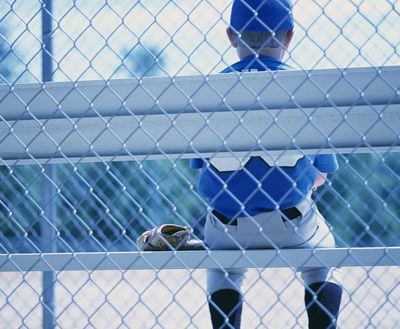
Burnout in young athletes isn’t just being tired after a long season. It’s a state of physical, emotional, and mental exhaustion that builds gradually over time. It’s the result of prolonged stress, overexposure, and not enough downtime recovery. It’s cumulative, not sudden. And at its core, it’s an emotional experience, not just a physical one.
It’s also commonly misread — by parents, by coaches, and sometimes by the athletes themselves.
Burnout vs. a Slump: Why the Difference Matters
A slump is performance-based. Your athlete is struggling to execute, results aren’t coming, and confidence may be shaken, but they still want to be there. The motivation is intact even when the results aren’t. Slumps are temporary and usually respond well to encouragement, focused practice, and time.
Burnout runs deeper. It’s not about results — it’s about motivation itself disappearing. An athlete experiencing burnout isn’t just playing poorly. They’ve stopped caring about playing at all, and no pep talk or extra practice is going to change that in the short term.
The reason this distinction matters so much is that the appropriate response to each is almost opposite. Pushing through and staying consistent is often exactly right for a slump. Burnout calls for rest, space, and an honest conversation. Not more reps.
Signs Your Child May Be Experiencing Burnout
These aren’t meant to be a clinical checklist. Think of them as signals; patterns worth paying attention to when you see them consistently over time, not in isolation after one hard week.
They’ve Lost Enthusiasm for Something They Used to Love
This is the clearest and most consistent indicator. Not pre-game nerves, not performance anxiety, but a fundamental shift in how your child relates to the sport itself. They stop talking about it. They stop watching it. They stop engaging with it in any way outside of obligation. The sport that used to be a defining part of who they are starts to feel like something happening to them rather than something they’re choosing.
Practice and Games Feel Like a Chore
There’s a meaningful difference between an athlete who occasionally doesn’t feel like going to practice, which is completely normal, and one for whom dread has become the consistent baseline. Watch for resistance that escalates rather than fades, complaints that grow more frequent rather than situational, and physical symptoms before games or practices — stomachaches, headaches, fatigue — that don’t have another clear explanation. These can be the body’s way of communicating what the athlete hasn’t yet found the words for.
Their Mood and Behavior Have Changed Off the Field
Burnout doesn’t stay in the gym. When a young athlete is genuinely burnt out, you often see it in the rest of their life too. Irritability, social withdrawal, trouble sleeping, or a general flatness may show up across multiple areas of their life, not just around sports. If your athlete seems different in a broader way and sports-related dread seems to be at the center of it, that’s worth taking seriously.
They’re Saying Things They’ve Never Said Before
Sometimes burnout announces itself directly. “I hate this sport.” “I don’t want to play anymore.” “I don’t even care if I get better.” When these statements appear consistently, and not just vented in a frustrated moment after a tough loss, they deserve a real response rather than reassurance that things will turn around.
What Causes Burnout in Young Athletes

Understanding where burnout comes from helps parents both address it and avoid recreating the conditions that caused it.
The most common contributors are: too much too soon (too many teams, too many seasons) or too little rest; external pressure that has outpaced an athlete’s internal motivation; early sport specialization without enough variety or downtime; and perhaps most significantly, a loss of autonomy. Young athletes who feel like they have no real say in their own athletic experience tend to burn out faster. Things like what sports they play, how much they play, or what success looks like for them can cause immense stress in comparison to athletes who feel ownership over their journey.
None of these causes are about blame. They’re about understanding, which is the only useful place to start.
What to Do When You Think Your Child Is Burnt Out
Start With a Real Conversation. Not an Interrogation.
Create space for your athlete to share what they’re feeling without the conversation carrying the pressure of a performance review. Come in curious rather than concerned, and lead with observation rather than conclusion.
Something like: “I’ve noticed you seem tired lately. How are you feeling about your sport right now?” is a genuinely open question. It invites rather than probes, and it gives your athlete room to answer honestly without feeling like they’re disappointing you.
Then listen more than you talk. What you hear will tell you a lot about what comes next.
Consider a Break Without Making It Feel Like Giving Up
For many burnt out athletes, time away from the sport is genuinely restorative. A few weeks, the remainder of an off-season, a deliberate pause that gives the nervous system and the motivation a chance to recover. For parents, this can feel like losing ground. For a burnt out athlete, it can be the thing that saves their relationship with a sport they actually love.
Frame rest as a strategic choice, not a failure. Some of the most driven athletes have needed a step back at some point. Coming back refreshed and genuinely wanting to compete is worth far more than grinding through months of going through the motions.
Reduce Pressure and Restore Autonomy
If external pressure has been part of the equation, reducing it is one of the most effective things a parent can do. That might mean pulling back on performance-focused conversations at home, giving your athlete more input into their training and goals, or simply letting them define what a good season looks like for themselves.
Athletes who feel ownership over their experience are far more resilient than those who feel like they’re performing for someone else. Returning some of that agency can shift the dynamic in a meaningful way.
Sometimes a Fresh Perspective Makes All the Difference
Occasionally what a burnt out athlete needs isn’t less time on the field, but to form a different relationship with their sport. A private coach who works with an athlete one-on-one, at their pace, focused entirely on what that individual athlete needs, can help rebuild the sense of joy and personal ownership that burnout erodes. There’s something about a low-pressure, high-attention environment that is built for them rather than a team, that reaches kids in ways that group settings sometimes can’t.
If your athlete is open to it, it’s worth exploring. The goal isn’t more training. It’s rediscovering why the sport mattered in the first place.
When to Seek Additional Support
If what you’re observing goes beyond sports, and you notice persistent sadness, significant withdrawal from friends and activities, changes in eating or sleeping patterns, or anything that feels like more than athletic fatigue, please don’t hesitate to bring in additional support. A pediatrician, a counselor, or a sports psychologist can provide guidance that goes beyond what any resource on the internet can offer.
Sports burnout and anxiety in young athletes are closely related, and sometimes what looks like one is actually both. If you’re concerned, trust that instinct.
