
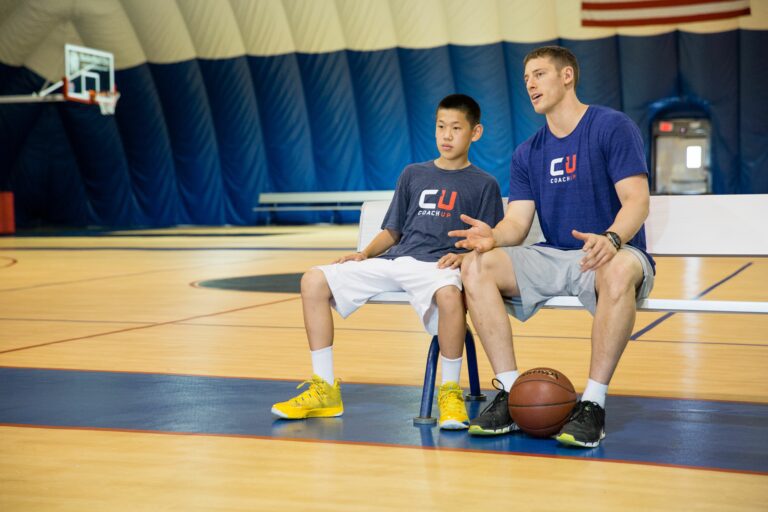
Private basketball lessons usually cost between $50 and $100 for a one-hour session, and most experienced trainers land somewhere in the $60 to $90 range. Newer coaches can start closer to $30. A former college or pro player might charge $150 or more.
That’s the short answer, whether you’re a parent pricing out lessons for a seventh grader who just made the school team, a high schooler trying to clean up a jump shot before tryouts, or an adult who misses the game and wants to get back into it. The longer answer depends on who’s coaching, where you live, and how often you plan to train.
If you’d rather see real numbers first, you can browse private basketball coaches by state and compare their rates side by side. Otherwise, read on for what shapes the price, and what a good hour on the court should actually give your athlete.
What private basketball lessons cost
Rates are fairly consistent across the country once you sort trainers by experience. Here’s what a one-hour, one-on-one session typically runs:
| Trainer | Typical cost per hour | Who you’ll usually find here |
|---|---|---|
| Newer coach | $30 to $60 | College players, younger coaches, rec league instructors |
| Experienced coach | $60 to $90 | Longtime high school coaches, certified skills trainers |
| Elite trainer | $100 to $150+ | Former college or pro players, trainers known for developing high-level prospects |
Training with a teammate or sibling (semi-private) usually brings the cost down to about $30 to $75 per player. Buying a package helps too: many coaches take 5% to 15% off when you book five or ten sessions up front.

Why one trainer charges $50 and another charges $150
Most of the gap comes down to the coach. Someone who played at a high level, has spent years developing players, or holds a skills training certification can reasonably charge more than a college sophomore who coaches on weekends. That doesn’t make the sophomore a bad choice. For a 9-year-old learning to dribble with their off hand, an energetic young coach who loves teaching the basics can be exactly right.
Where you live matters, too. Trainers in big metro areas tend to charge more, partly because life costs more there and partly because gym time does. A coach who rents a court by the hour builds that into the session price, while one who meets you at a public park or your school gym after hours may not have to.
Then there’s the format. A 90-minute workout costs more than a 60-minute one, and a session you share with a teammate costs less per player than one you have to yourself. Bundling multiple sessions together can also provide you with a better per-session price point.
On CoachUp, every coach sets their own rate, so you’ll see that full range on the platform: one coach might list $50 an hour while another lists $150. Neither number is wrong. Rather, they reflect different backgrounds, markets and styles of coaching. This is why the CoachUp marketplace was created: to provide parents and athletes with options.
What you’re paying for in an hour
A good private session is extremely involved. It usually opens with a dynamic warm-up (high knees, defensive slides, a few form shots close to the rim) and then gets straight to whatever the player need or wants to focus on most. Coach Aliou C., a college player who trains younger athletes in the Yonkers, New York area, starts with stretching and then spends about 10 minutes on ball handling before moving on in any session.
From there, you can expect to take reps at game speed. That could mean catch-and-shoot drills, practicing finishing through contact, or a jab step drilled until it stops feeling awkward. Coach Bob K., who spent 17 years as a varsity head coach, tells families to expect “very little to no down time” while training with him. A good session mostly sounds like squeaking sneakers and a bouncing ball, with the coach cutting in to focus on the details.
Many sessions finish with something live, like playing one-on-one against the coach, so new moves get tested against an actual defender. Some coaches also save a few minutes to talk. Coach Djovan B. closes his workouts with mental development because, as he puts it, “the mental side of the game is what truly sets players apart.”
What you shouldn’t get is the same canned workout every week. Many coaches aim to keep their sessions consistent structurally, but with changing fundamental focuses based on what each player needs. That kind of attention is a big part of what the hourly rate pays for.

How many sessions should you budget for?
The per-hour rate only tells you part of the story. What most families really want to know is the monthly number, and that depends on how often your athlete trains. Using a $60 session as an example:
- Once a week comes to about $240 to $260 a month.
- Every other week is closer to $120.
- Twice a week, usually in the run-up to a season or tryouts, lands around $480 over a month.
A 10-session package at a 10% discount would bring that same $60 session down to $54, with sessions likely scheduled out over a couple months.
Here’s the honest truth: weekly lessons aren’t right for every player. A session teaches skills, but the reps your athlete does alone in the driveway between sessions is what makes it stick. Plenty of families get great results from a focused block of six or eight sessions before the season, then step back to a check-in every few weeks. Others train year-round because their player is chasing a varsity spot or college recruitment.
If you’re also weighing the cost of travel ball, our breakdown of one-on-one training vs. AAU looks at what each one actually does for a player’s development.
Is a more expensive trainer worth it?
Sometimes. The right price is the one that matches where your athlete is right now.
A beginner rarely needs a $150-an-hour former pro. At that stage, what matters most is a coach who’s patient, explains things simply, and makes a 10-year-old want to come back next week. A varsity guard getting ready for college showcases is a different story. That player may get real value from someone who knows what college coaches look for and can sharpen the small things that separate good players from those who are actively recruitable.
Before you book, it’s worth asking any coach a few questions. Who do they usually train, and at what level? What would the first few sessions focus on for your athlete? How will you know it’s working? A good coach will have clear answers, and their answers will tell you more than their rate does.
That’s also where CoachUp makes the search easier. Coaches list their rate on their profile for your review prior to booking (priced per session, plus applicable fees), along with their background, how they run a session, and reviews from other parents and athletes. Most offer 3, 5 and 10 session packages that lower the per-session cost, and you can message a coach with questions first. When you’re ready, start with basketball coaches in your state and narrow it down from there.
From the bleachers, a private lesson may not look like much. It’s one kid in a mostly empty gym, missing the same left-handed layup over and over, until one day they stop missing it. Then it shows up in a real game, with the clock running, and nobody has to tell them how. That’s the moment you’re paying for.

FAQs
How long is a private basketball lesson?
Most private basketball lessons run 60 minutes. Some coaches offer 30-minute sessions for younger players or 75 to 90 minutes for advanced athletes, and the price usually scales with the time.
Are semi-private or group basketball lessons cheaper?
Yes. Semi-private and small group sessions typically cost $30 to $75 per player, since the coach’s rate is split. They’re a good middle option if one-on-one lessons stretch the budget, and some players enjoy having competition in their sessions.
What age should my child start private basketball lessons?
There’s no set age. Many families start once their child is playing organized basketball and wants to improve a specific skill. For players under 10, look for a coach who keeps sessions short, playful and focused on the fundamentals.
How soon will we see results from basketball lessons?
It depends on the player and how often they practice between sessions. With consistent lessons and work on their own, most athletes start showing small, specific improvements within a few weeks, like a cleaner shooting form or a tighter handle.

